Filling liquid into a flexible bag is not simply a matter of replacing a dry-product feeder with a pump. You need to match the dosing method, wetted materials, bag construction, safety controls and operator workflow to the liquid, then prove performance with the actual product and packaging.
Key takeaways
- Use a liquid dosing machine, not a converted dry-powder bagger.
- Match pump and dosing method to viscosity, foam, solids and accuracy needs.
- Choose bag material, seal type and format before selecting the filler.
- Verify utilities, drainage, cleaning access and product compatibility before installation.
Can a semi-automatic bagging system fill liquid into bags?
Yes—a semi automatic bagging system for liquid filling machine in Vadodara can fill bags when it is designed for liquid dosing, not adapted from a dry-powder bagger. It suits water-like chemicals, detergents, oils, emulsions, adhesives, agricultural liquids, paints, slurries and other pumpable products that will not damage the bag or block the nozzle.
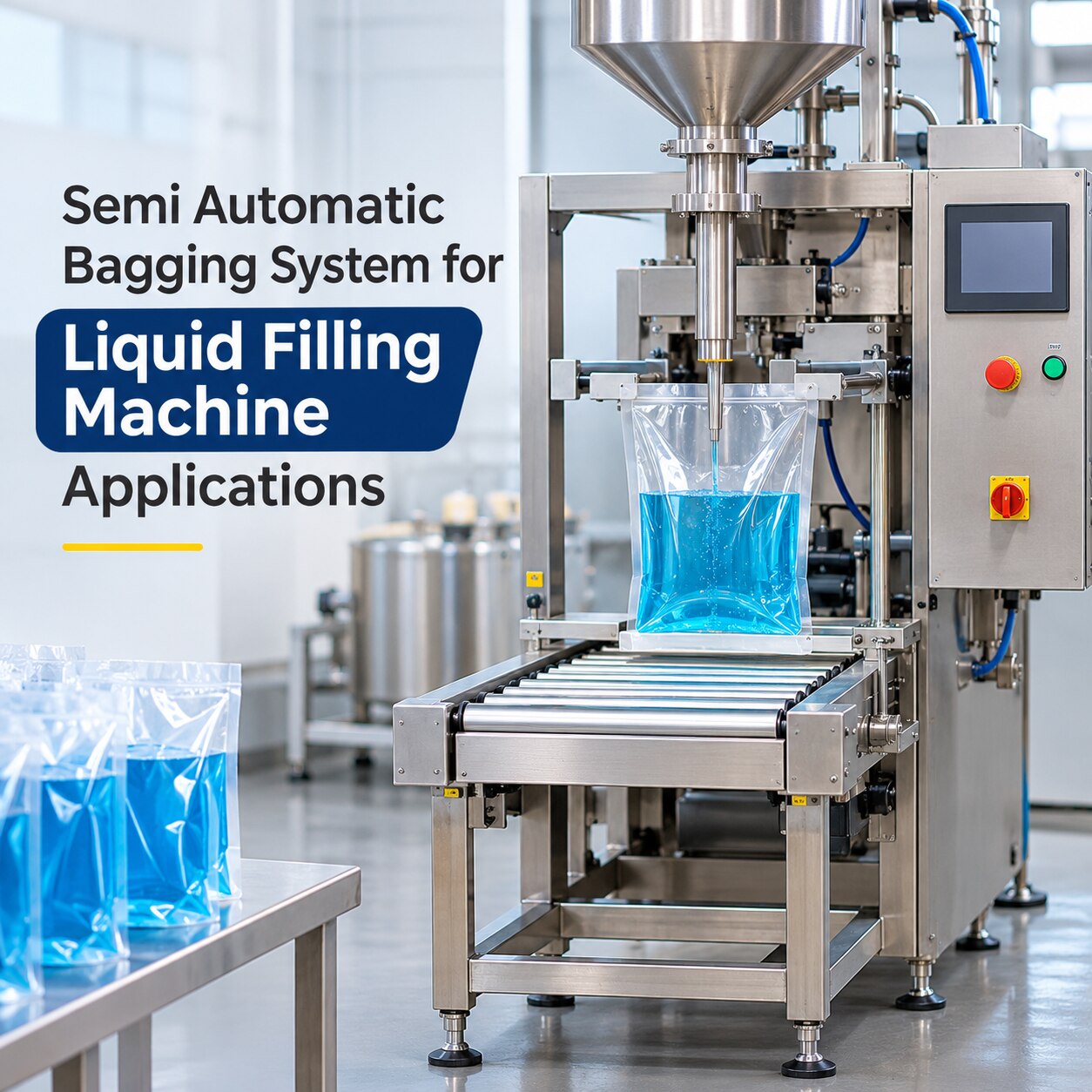
1. Run the product from a tank through a compatible pump, pipework, positive shut-off valve and filling nozzle. Support the bag on a frame or weighing platform, then complete the pack with heat sealing, stitching, clamping or capping.
2. Load the correct bag size, enter the target mass or volume, check the nozzle and confirm pump and valve readiness. The operator checks and presents the empty bag, positions it, starts the cycle, watches the cutoff, removes the filled bag and completes closure.
3. Use bottom-up or submerged filling to reduce splashing and foam. Fit an anti-drip nozzle, and prevent the pump from running when the bag is missing, tank level is low, a valve is open or the weight is abnormal.
Manual work remains at bag presentation, removal, closure, inspection and palletising unless separate equipment automates those stations. A liquid filling machine bagging system in Vadodara must match the pump, nozzle and bag material to the product; a blocked nozzle, leaking seal or uncontrolled drip can make an otherwise accurate filler unusable.
Which dosing and weighing method matches your liquid?
For a semi automatic liquid filling system in gujarat, choose the control method from viscosity, density, temperature, suspended solids, foaming and the unit printed on the label—not from target bag weight alone.
| Method | How it works | Best fit and limitation |
|---|---|---|
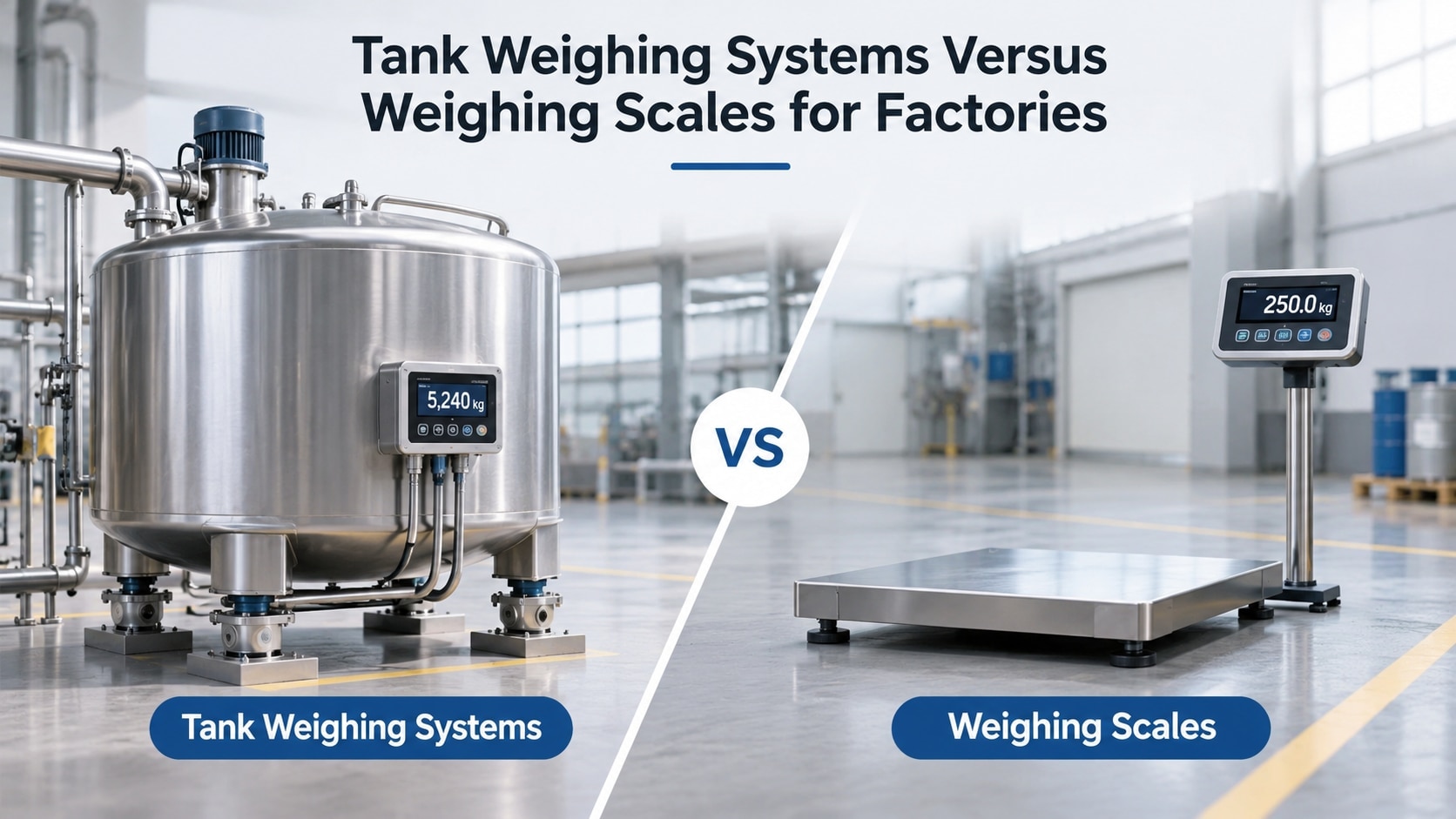
| Net weighing | Tares the empty bag on a load cell, fills the supported bag and stops near target mass | Packs sold by mass; use dribble cutoff to compensate for hose and nozzle residue |
| Gross weighing | Weighs bag and product together | Requires consistent empty-bag weight and controlled tare |
| Volumetric dosing | Uses a flowmeter or measured pump displacement | Packs sold by volume when density stays stable |
| Timed pump filling | Runs the pump for a set duration | Lower control complexity, but wear, pressure and viscosity change the result |
Magnetic flowmeters suit conductive, relatively free-flowing liquids. Coriolis meters provide mass-based dosing and density information, but need correct installation and clean, bubble-free flow. Gear or lobe pumps handle viscous products; pneumatic diaphragm pumps suit aggressive chemicals or products requiring gentle shear.
Entrained air, foam and unstable temperature make readings unreliable. A small nozzle improves cutoff control but raises pressure loss and cycle time; a large nozzle fills faster but increases splash, foam and drip.
Ask whether stated accuracy means load-cell repeatability, flowmeter total, timed volume or finished-pack legal-metrology performance. If density changes with temperature, a weight-controlled pack contains a different volume at different temperatures; declare mass or add temperature and density controls when selling by volume.
How should the machine handle chemicals, foam, solids and cleaning?
Specify the liquid at its actual operating temperature, concentration and particle size before selecting the pump, nozzle, seals and hose. A published flow rate means little without these conditions.
1. Record viscosity, density, temperature, concentration, foam tendency and particle size. Size the nozzle for the required cycle: a large nozzle increases throughput but can increase splashing, foam and residual drip; a small nozzle improves cutoff control but increases pressure loss and filling time.
2. Control foam with bottom-up or submerged filling, reduced final-stage flow, settling time or deaeration. Prevent the pump from drawing air from the tank, because entrained air causes unstable weights.
3. For abrasive suspensions, inspect erosion at elbows, valve seats and nozzle orifices. For a chemical liquid bagging machine in India, request the complete wetted-part list rather than accepting “chemical resistant”: 304 or 316L stainless steel, PTFE, EPDM, FKM, polypropylene, hose liners, diaphragm material and valve-seat compounds. Compatibility changes with concentration, temperature and exposure time.
4. Arrange piping to drain fully, minimise dead legs and eliminate hose loops that trap chemical. Use accessible clamps, removable nozzles and a documented flush with compatible cleaning fluid, followed by drain-down and inspection. Use dedicated hoses for incompatible products or validate changeover cleanout where carryover matters.
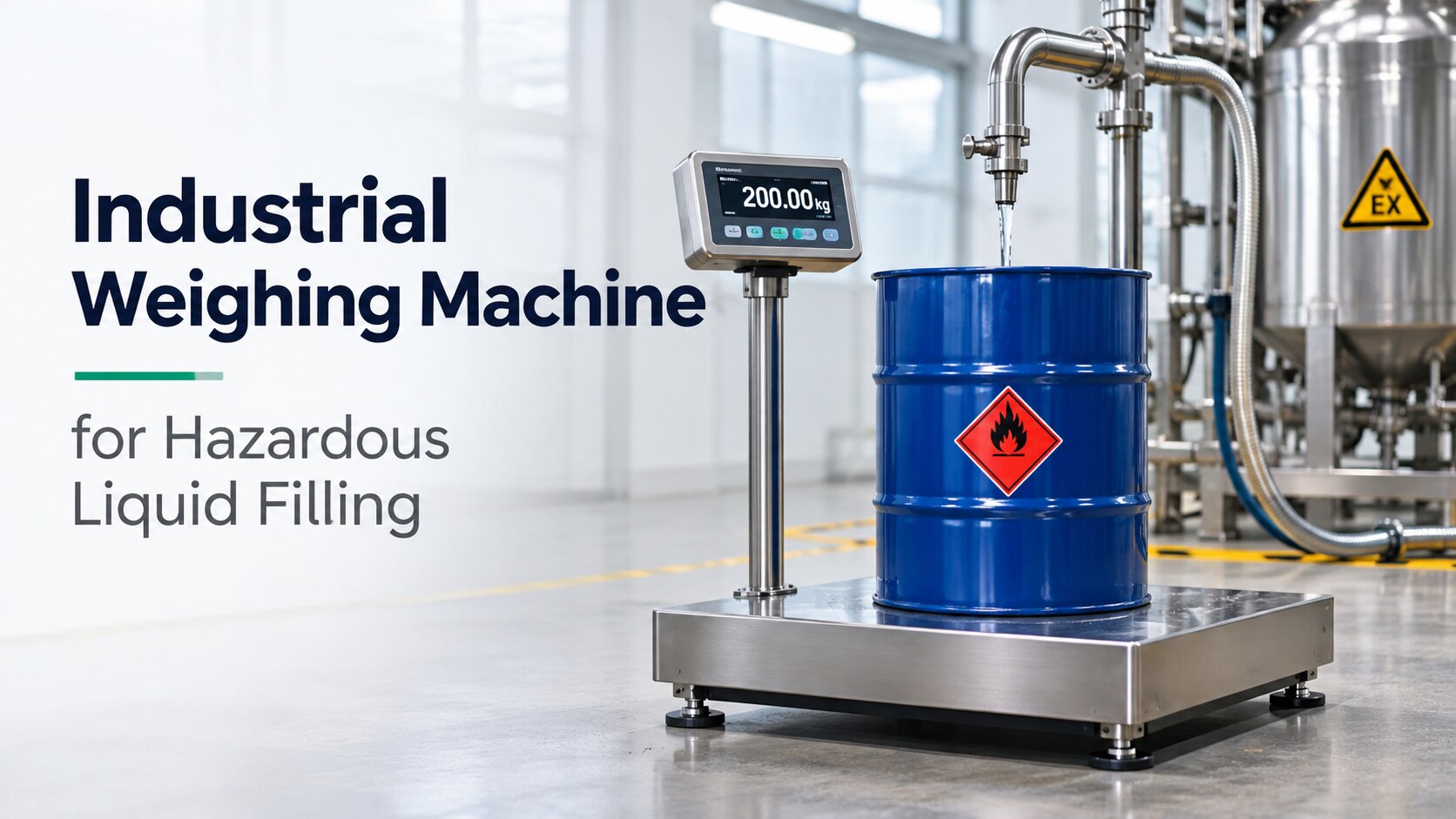
5. Add bunding or a spill tray, level and pressure alarms, drip detection, controlled drainage, and an emergency stop that removes pump power and closes the product valve. Corrosive, toxic, flammable or volatile liquids also require ventilation, bonding, grounding and a hazardous-area review of the complete electrical and control system.
Which bag format and automation level fit the operation?
Approve the container before approving the machine. For a liquid filling machine bagging system in Vadodara, define open-mouth PE bags, PE liners inside woven sacks, laminated premade pouches or rigid-supported liners. Record bag width, height, gusset, film thickness, opening size, filled mass and whether the bag stands on the weighing platform.
Specify whether closure uses heat sealing, stitching, clamping or an integrated cap.
| Option | Best fit | Main trade-off |
|---|---|---|
| Semi-automatic open-mouth bagger | Open bags and liners | Operator presents, removes, closes and inspects each pack |
| Premade-pouch system | Laminated pouches | Requires reliable mouth presentation and a clean seal area; liquid contamination causes leaks |
| Form-fill-seal or fully automatic pouch machine | High-volume, uniform pouches | Reduces handling but demands tighter film, seal-temperature and pouch-registration control |
| Rigid-container filler | Drums, pails, bottles or IBCs | Matches rigid packs rather than unsupported flexible bags |
Semi-automatic equipment uses less floor space, fewer utilities and simpler size changes, but labour remains at loading, unloading, closure, inspection and palletising. Fully automatic equipment reduces repetitive handling while adding conveyors, guarding, controls, changeover work and maintenance points. Compare the complete cycle, including cleaning and restart waste, not only filling speed.
Choose a drum filler for drums, a pail or bottle filler for rigid small packs, an IBC filler for bulk transport and a fully automatic pouch machine for high-volume uniform pouches. For occasional batches, semi-automatic bagging usually offers the better balance.
What should you verify before installing a liquid bagging system in Vadodara?
A semi automatic bagging system for liquid filling machine in Vadodara should be approved only against your actual product, bag and operating conditions. Give the supplier a data sheet listing viscosity, density, temperature, pH, concentration, foam tendency, solids size, hazard classification and target mass or volume.
- Attach bag drawings, closure method, bags per hour, electrical supply, compressed-air pressure and quality, drainage route, ventilation needs and proposed installation area.
- Request a layout drawing, utility list, wetted-material schedule, electrical drawings, calibration procedure, recommended spares and a cycle-time test using the actual product and bag at operating temperature. A water trial cannot represent a viscous, foaming or solvent-based liquid.
- Check that the Gujarat plant provides stable power, dry instrument air, chemical-resistant flooring, safe maintenance access and a trained response team for leaks or pump faults. A hazardous installation also needs bonding, grounding, spill containment, controlled drainage, ventilation and an emergency stop.
- Make the factory or site acceptance checklist record empty-bag fit, target-weight repeatability, cutoff overshoot, post-shutdown drip, seal integrity, leak testing, startup waste, operator interventions and restart after power or emergency-stop interruption.
For a semi automatic liquid filling system in Gujarat, confirm whether accuracy means net weighing, gross weighing, flowmeter total or timed pumping. Confirm calibration traceability and the finished-pack control plan against Indian packaged-commodity and legal-metrology requirements. Ask who installs, commissions, trains, supplies seals and hoses, and handles service calls.
Evaluate Optima Weightech Pvt Ltd. by requiring these boundaries in writing, as with any chemical liquid bagging machine India proposal. Approve only after compatibility, safety, performance conditions and cleaning access are documented.
Related products
 | Bagging System The Bagging System is a high-performance packaging solution designed to streamline the filling and sealing of bags across various industries... View product → |
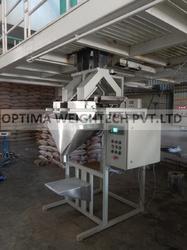 | Gained by the years of industry experience, we manufacturer and supply to our precious clients with quality-assured Semi Automatic Bagging System For... View product → |
Frequently asked questions
Can a semi-automatic bagging system fill liquid into bags?
Yes. A semi-automatic bagging system can fill water-like chemicals, detergents, oils, emulsions, adhesives, agricultural liquids, paints and pumpable slurries when it uses liquid dosing equipment and a compatible nozzle. The bag must also resist the product and support a reliable seal.
Which dosing and weighing method matches my liquid?
Use a flowmeter for repeatable, low-to-medium viscosity liquids with stable flow. Use a load-cell weighing system when density changes or when you need the filled mass controlled directly. Select a positive-displacement pump for viscous products and a centrifugal pump for free-flowing liquids. Check the required fill tolerance, viscosity, temperature and solids content before choosing.
How should the machine handle chemicals, foam, solids and cleaning?
Specify wetted parts such as stainless steel, seals and hoses for the chemical. Control foam with a bottom-up or submerged fill nozzle, reduced fill speed or a suitable anti-foam process. Use a larger passage, agitator or progressive-cavity pump for solids-bearing liquids. Require drainable pipework, clean-in-place connections or quick-release parts when frequent cleaning is necessary.
Which bag format and automation level fit the operation?
Choose open-mouth bags for products filled from above and sealed afterward, or preformed pouches when presentation and a factory-made seal matter. Semi-automatic equipment suits operations where an operator presents the bag and removes the filled pack. Choose higher automation when bag handling, filling, sealing and conveying must run with fewer manual steps.
What should you verify before installing a liquid bagging system in Vadodara?
Confirm the product temperature, viscosity, density, pH, chemical compatibility, foam tendency and particle size. Check the bag dimensions and film, target fill weight, accuracy, sealing method, electrical supply, compressed air, floor space, drainage and washdown access. Request a product trial using your actual liquid and bag before approving the installation.
Related product
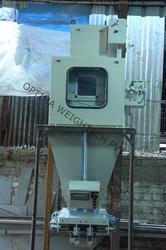 | Semi Automatic Bagging Packing Machine Description: Corrosion resistance Durable Designed for longevity Easy to use Cost-effective Robust Compact Design High quality Manufacturing with... View product → |
Keywords