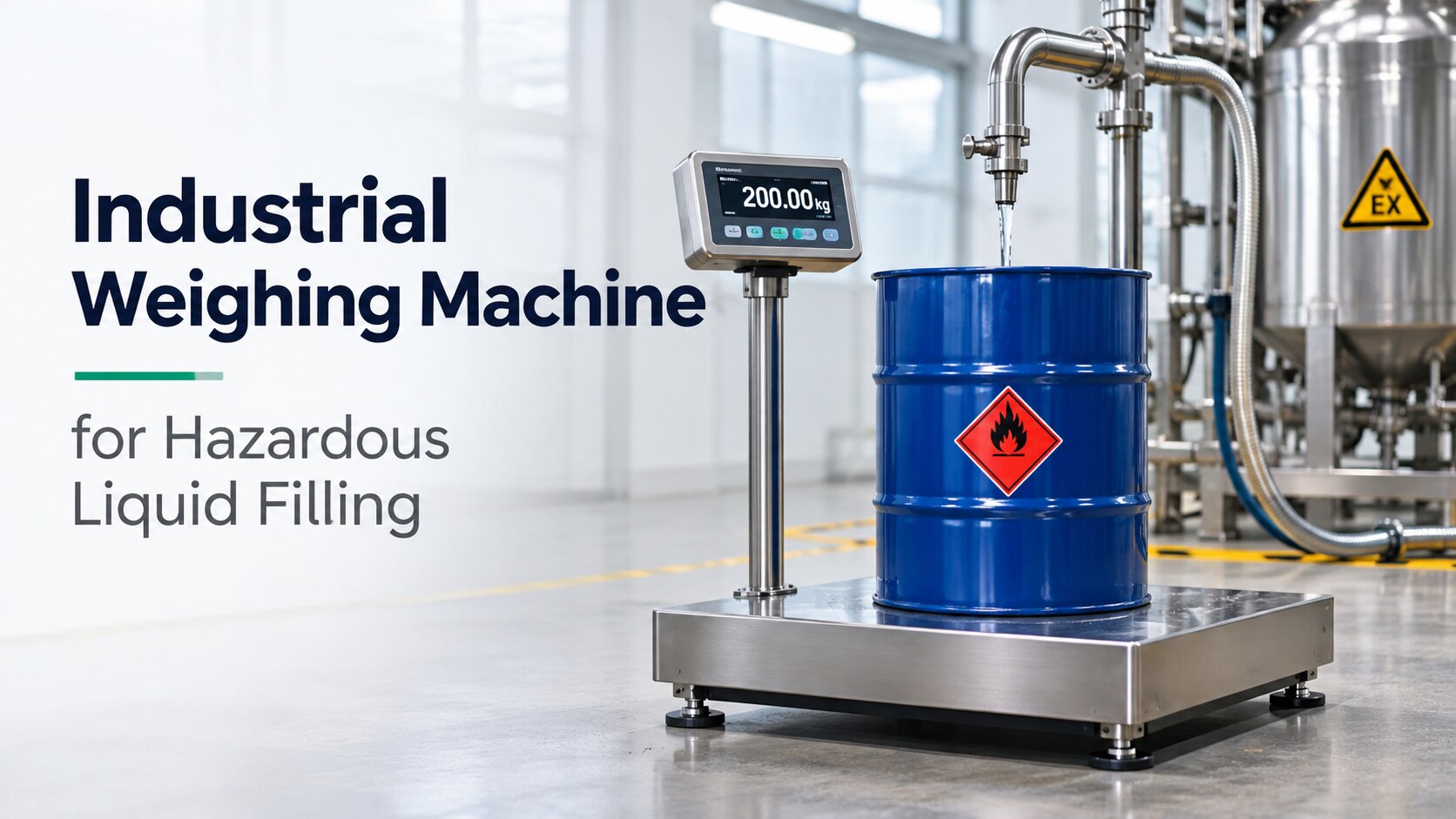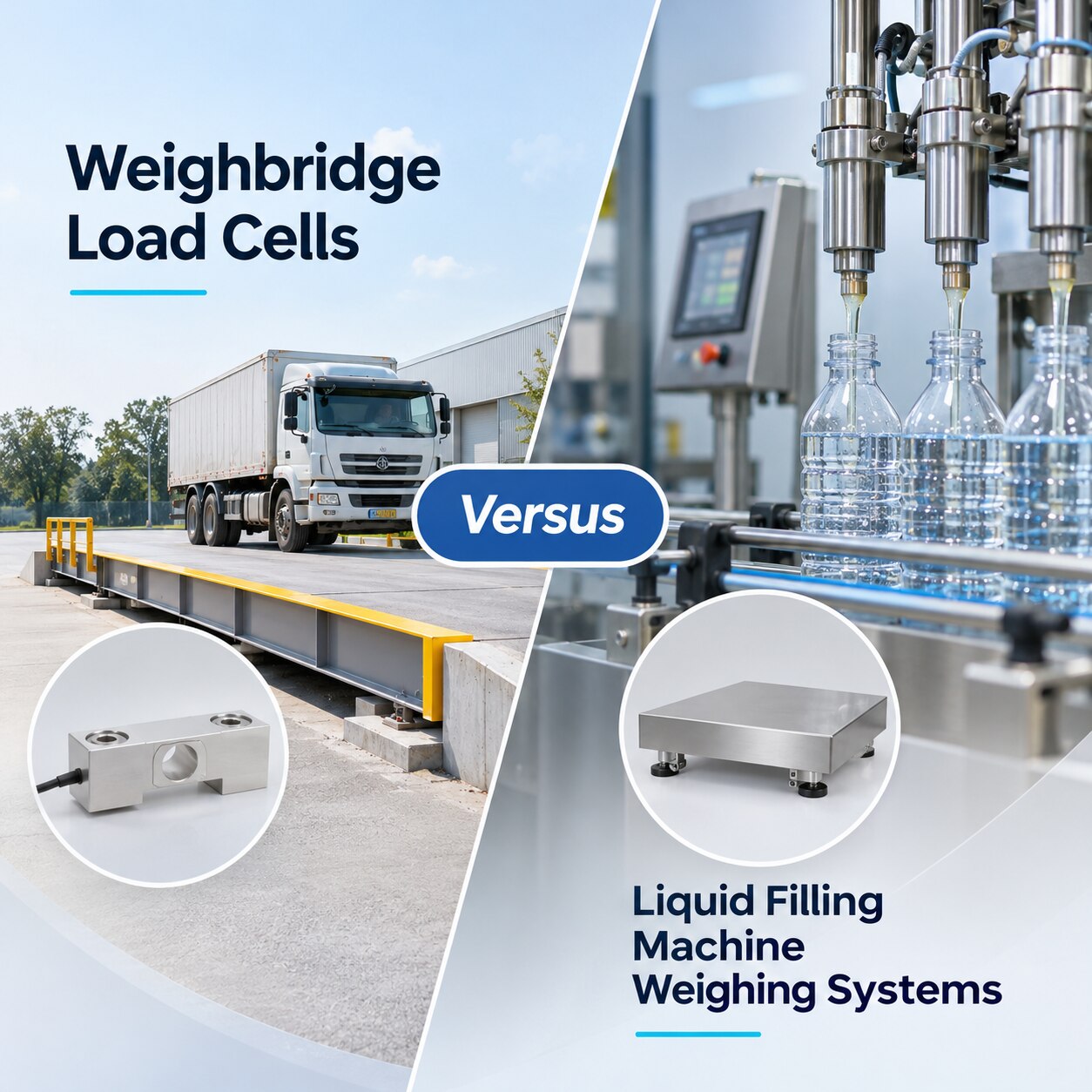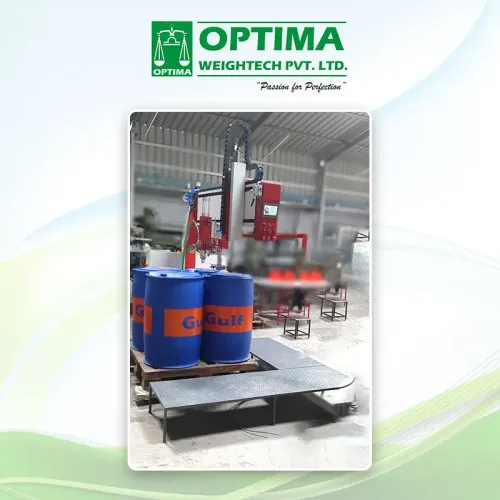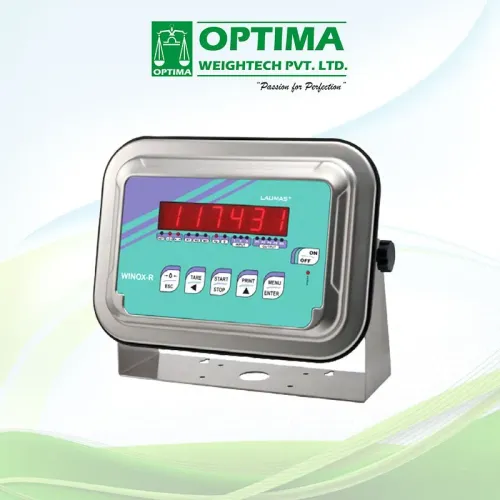
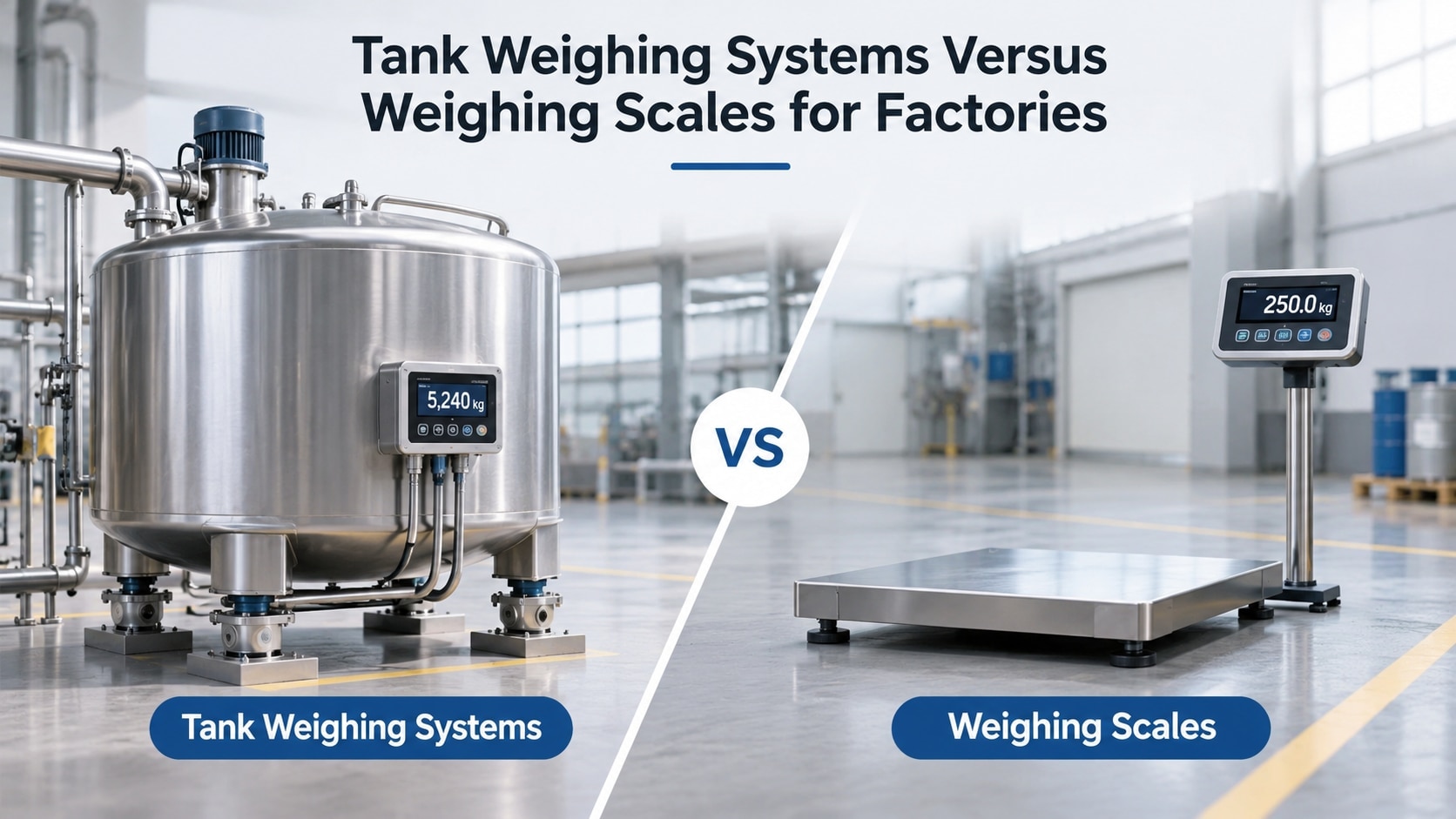
A tank weighing system measures the vessel and its contents through load cells beneath the supports, while a platform, floor or truck scale measures a load placed on a deck. By comparing the load path, process conditions, accuracy, maintenance and installation effort, you can choose the arrangement that fits your factory rather than relying on indicator resolution alone.
Key takeaways
- Choose tank weighing when product must remain inside the vessel.
- Compare load paths and support forces, not only scale capacity.
- Isolate pipes, temperature effects and vibration before commissioning.
- Specify foundation, wiring, calibration and installation work before ordering.
Choose tank weighing when the material must stay inside the vessel
When the material must remain inside a vessel during filling, dosing, blending or discharge, choose a tank weighing system. Load cells beneath the tank supports measure the vessel’s load, allowing you to control a batch or track inventory without transferring product to a separate scale.
| Option | Best use | Main limitation |
|---|---|---|
| Tank weighing system | Material stays in a tank, silo or reactor during processing | Pipe forces, vibration and retained material can shift the reading |
| Platform scale | Bags, drums, cartons or small containers | Requires each item to reach the scale deck |
| Bench scale | Components, samples and check-weighing at a workstation | Limited platform size and operator handling |
| Floor scale | Pallets, drums and wheeled loads | Measures only while the load rests on the deck |
| Hopper scale | Material entering or leaving a dedicated hopper | Requires suitable feeder, hopper supports and discharge control |
| Truck scale | Entire vehicles at the site entrance | Suits vehicle transactions, not continuous vessel inventory |
For a tank weighing system versus weighing scales in Vadodara decision, compare repeatability under actual operating conditions, not just indicator resolution. A display showing 1 g or 10 g does not deliver that accuracy when an agitator vibrates, product is filling dynamically or a connected pipe applies side force.
Check the load path before selecting the equipment. Ladders, platforms, agitator shafts, level switches, electrical conduits and hoses can bypass the load cells; filters, valves and dead legs can retain product after discharge. Choose tank weighing when that uncertainty is manageable and the process needs the product to stay contained.
Compare the weighing point, not only the displayed capacity
The decisive difference is where the material is weighed: inside a supported vessel, or on a deck that carries a separate item. That changes what you can measure during filling, blending and discharge.
| Option | Weighing point | Day-to-day use |
|---|---|---|
| Tank weighing system | Load cells under the vessel supports measure tank, contents and connected forces | Continuous inventory or batch control; pipes, agitators and retained material can shift the result |
| Platform scale | Load sits on a deck | Bags, cartons, drums or components at a fixed station |
| Bench scale | Small container sits on a compact deck | Ingredients, samples and checkweighing near a workbench |
| Floor scale | Pallet, drum or trolley rests on a recessed or surface deck | Heavy units moved by pallet truck; each load is weighed separately |
| Hopper scale | Material passes through a supported hopper | Batching or discharge measurement; bridging and flow surges affect repeatability |
| Truck scale | Vehicle rests on a weighbridge | Inbound or outbound truck quantity; it does not provide tank inventory |
A platform, bench, floor or truck scale measures only while the load remains mechanically on its deck. Tank weighing provides a reading without transferring the material, but the signal includes vessel tare and forces from pipework, hoses, valves and thermal movement.
A display resolving 1 g does not deliver 1 g field accuracy when vibration, dynamic filling or uneven loading disturbs the tank. For weighing scales for factories, choose the discrete deck when you must identify, reject or verify individual containers; choose tank weighing when the process owns the material inside the vessel.
Sale, purchase or quantity declaration also brings Indian Legal Metrology verification and stamping into the decision.
Design the supports and load path before selecting load cells
A tank’s maximum weighing capacity is not its volume divided by the number of load cells. Calculate the complete vertical load: empty vessel, maximum product, agitator, insulation, platforms, filling surges, uneven loading, and any wind or seismic force transferred through the supports.
1. Draw the load path from the vessel skirt or legs to the foundation. Keep the support points symmetrical around the centre of gravity, then select three cells for a stable tripod or four cells for a rectangular vessel. Check the foundation for concentrated reactions, not just the vessel’s total weight.
2. Size each load cell for the worst support reaction, including unequal load sharing and overload. Do not assume four cells carry exactly 25% each. Use weigh modules between the vessel and cells; they keep compression loads vertical and provide the required anti-lift, anti-sway or guided restraint without creating unpredictable side forces.
3. Specify installation performance, not only an OIML R 60 load-cell class. Temperature gradients, foundation movement, vibration, pipe restraint and side loading can dominate the error. For a hazardous-area tank load cell system India installation, require a compatible certified assembly covering cells, junction box, barriers or isolators, transmitter, glands and wiring method.
4. Calibrate after the tank, pipes, agitator and instruments are connected. Use a corner or section test to find unequal loading, then verify full-range accuracy with certified test weights, material substitution or a traceable material test suited to the required uncertainty.
Prevent pipes, temperature and vibration from changing the reading
An empty-tank calibration is not a finished commissioning job. Adding insulated pipework, heat tracing, an agitator, ladders or platforms can create restraint or friction at the supports, changing the reading without adding much mass.
| Fault | How it changes the reading | Commissioning check |
|---|---|---|
| Rigid pipe or hose routing | Transfers pipe strain, pressure thrust and thermal movement into the tank supports | Loosen or disconnect each connection and confirm the signal changes only within the specified tolerance |
| Ladders, platforms, conduits or level switches | Creates a parallel load path that bypasses the load cells | Verify every attachment is supported independently or included in the weighing design |
| Agitator shaft misalignment | Applies side force and vibration during rotation | Run the agitator empty and loaded at operating speed; record zero shift and repeatability |
| Uneven temperature or heat tracing | Produces thermal expansion, gradients and support friction | Test at the actual operating temperature, not only at ambient temperature |
| Foundation movement or vibration | Makes the displayed mass fluctuate during filling, discharge or nearby machine operation | Check readings with pumps, compressors and agitators switched on and off |
Flexible connectors do not automatically solve the problem. Their stiffness, length, routing, pressure and movement determine the force reaching the vessel, so test the installed arrangement under operating conditions.
Use settling time, filtering and fast-then-slow filling for batches; do not accept an instantaneous reading during splashing, aeration or flow pulsation. Record repeatability with the tank empty and loaded. A display resolving 1 g does not prove the installed system weighs to 1 g.
Match the system to the process and specify the site work
Require the method to match where mass is measured, how fast it changes, and what disturbs the reading. A tank weighing system in Vadodara suits continuous inventory or batch control inside a vessel; a platform, bench, floor, hopper, or truck scale suits a container, batch, bag, discharge, or vehicle resting on a deck.
For tank weighing system versus weighing scales in Vadodara, compare repeatability during vibration and live filling, not an indicator showing 1 g or 10 g.
| Method | Best fit | Main limitation |
|---|---|---|
| Tank weighing | Continuous vessel inventory or batch control | Pipe forces, retained material, vibration, and thermal movement shift zero |
| Platform, bench, floor, or hopper scale | A discrete container, bag, or batch | The material must reach the deck |
| Truck scale | Loaded vehicle movements | It measures only while the vehicle rests on the weighbridge |
1. Require a survey covering foundation level and strength, support reactions, pipe flexibility, calibration access, maintenance clearance, temperatures, washdown, chemical exposure, and output protocol.
2. Set capacity from vessel tare, maximum product, uneven loading, filling overloads, wind or seismic forces, and unequal support reactions—not vessel volume divided by cell count.
3. Specify three or four load cells, mounting kits, a junction or summing box, transmitter, and restraints that prevent lift or sway without adding vertical force.
4. Require zero checks, filling repeatability tests, and documented calibration. Optima Weightech Pvt Ltd. can add value by surveying the load path, fitting the system, and commissioning it under operating conditions.
Related products
 | We are the most prominent manufacturer and supplier of quality-assured Weighing Scales / Systems Starting. View product → |
 | Weighbridge with option of digital load cell, analog load cell, pit type, pit less type with the capacity upto 200 tons Request Callback Additional... View product → |
Frequently asked questions
When should a factory choose tank weighing instead of a weighing scale?
Choose tank weighing when material must stay inside the vessel during filling, dosing, blending or discharge. Use a separate weighing scale when transferring product to a platform or floor scale is practical.
What should you compare besides displayed weighing capacity?
Compare the weighing point, including load-cell capacity, vessel tare, material load, support arrangement, accuracy, overload protection and the forces entering the vessel through connected equipment.
How can pipes, temperature and vibration affect tank weighing?
Rigid pipes can add or remove force from the tank, temperature can change vessel dimensions and load-cell output, and vibration can make readings unstable. Use flexible connections, suitable temperature compensation and vibration control.
What site work should you specify for a tank load-cell system?
Specify the foundation, support steelwork, load-cell installation, junction box, cabling, indicator or controller, earthing, calibration, commissioning and access for inspection and maintenance.
Keywords