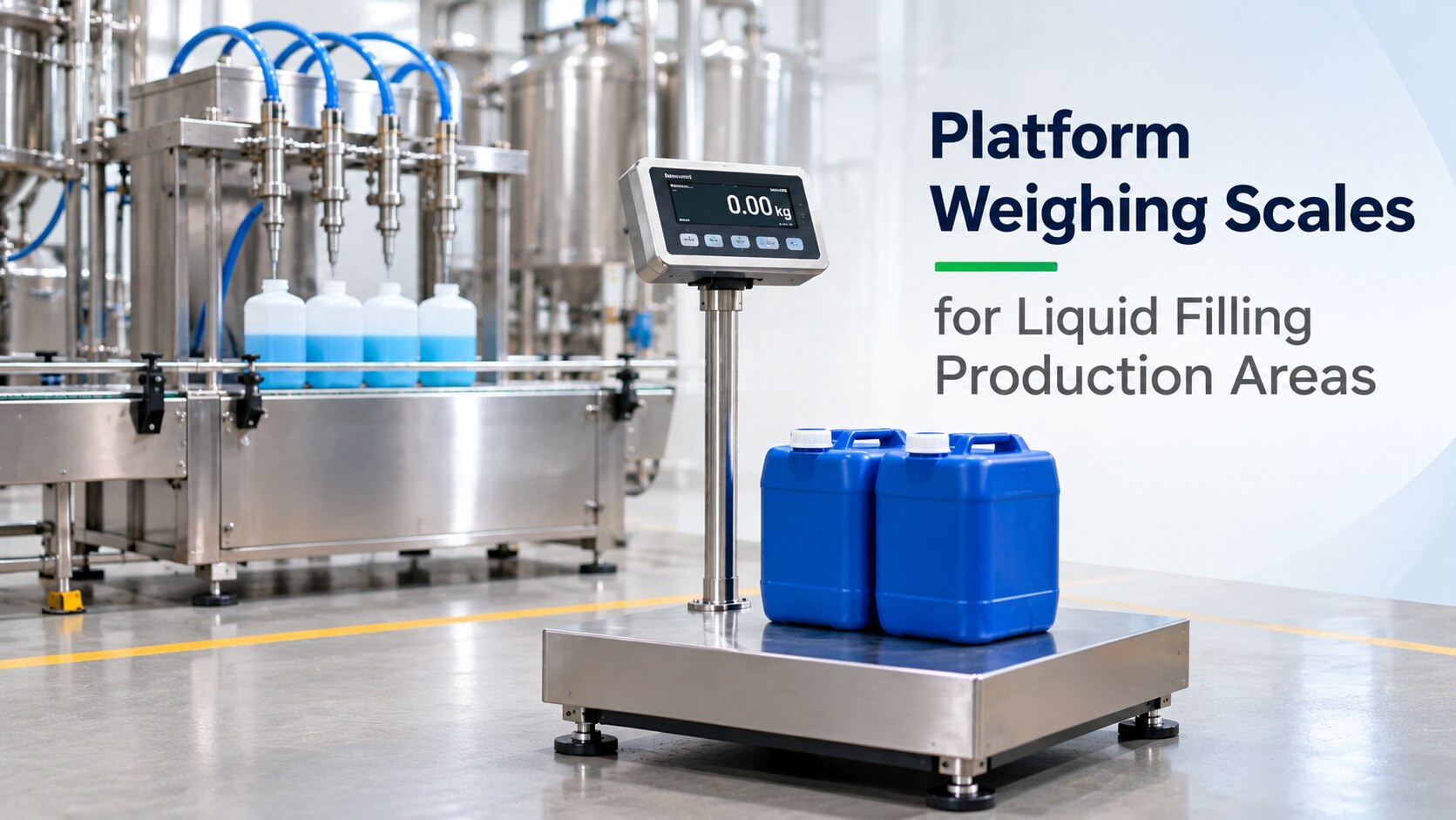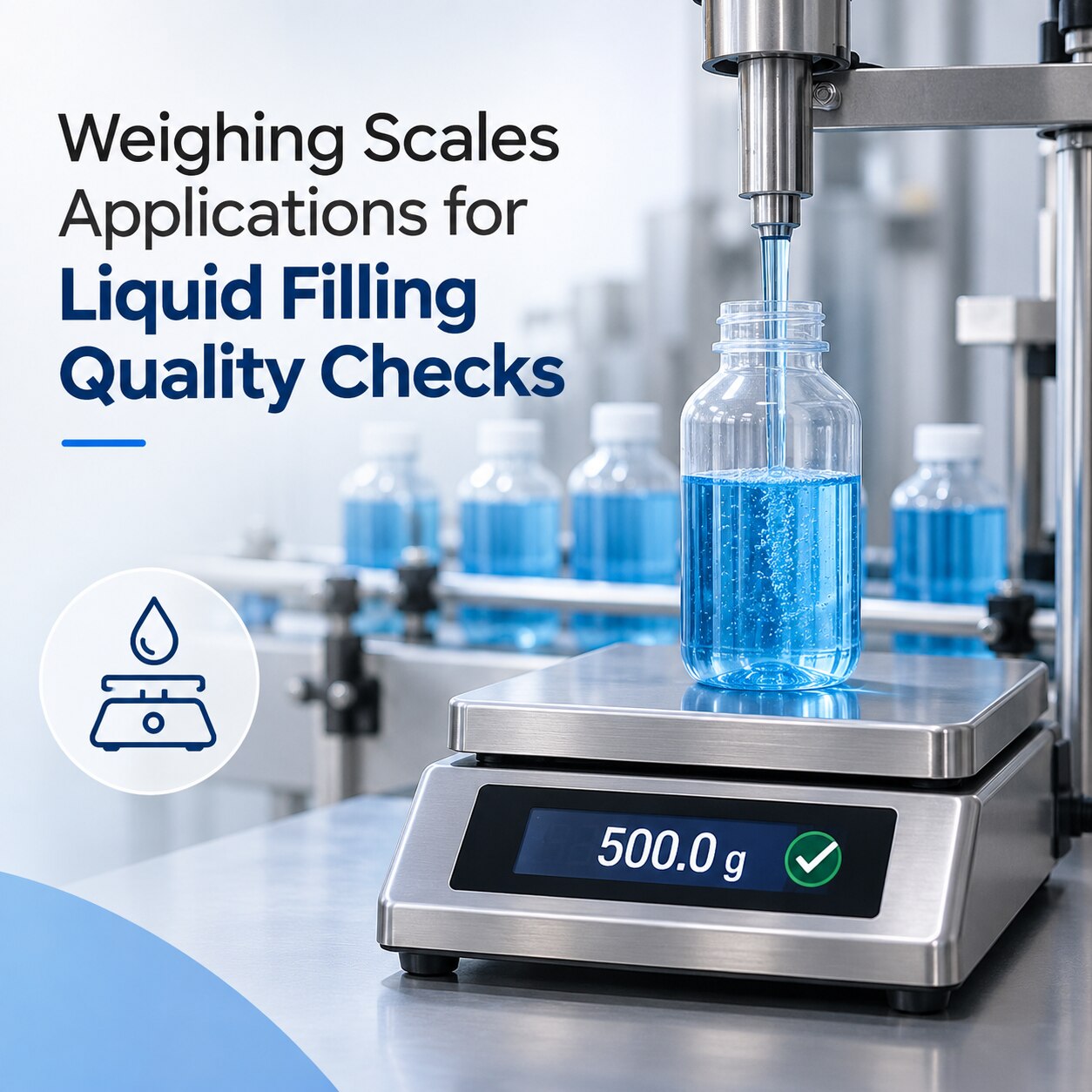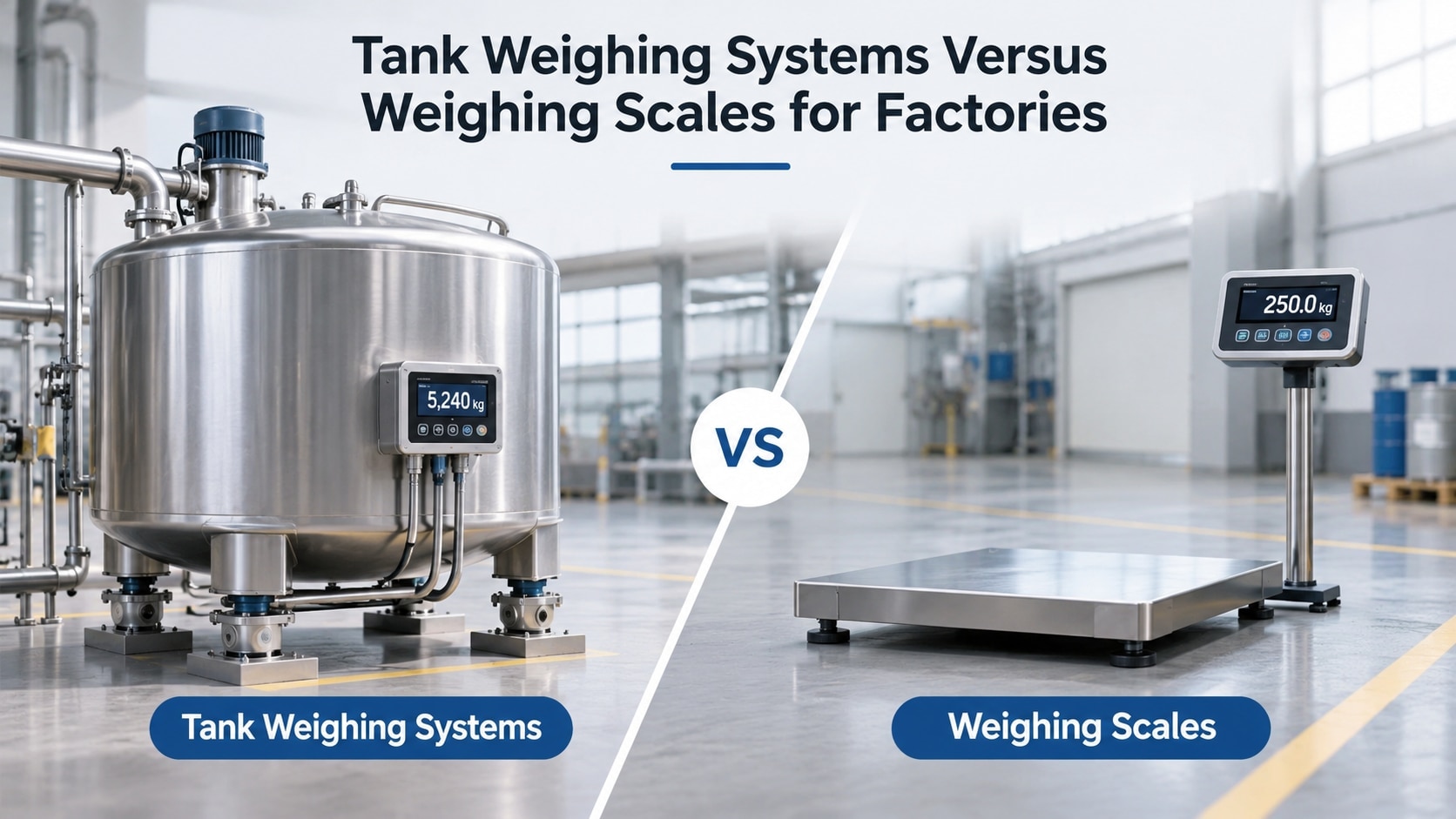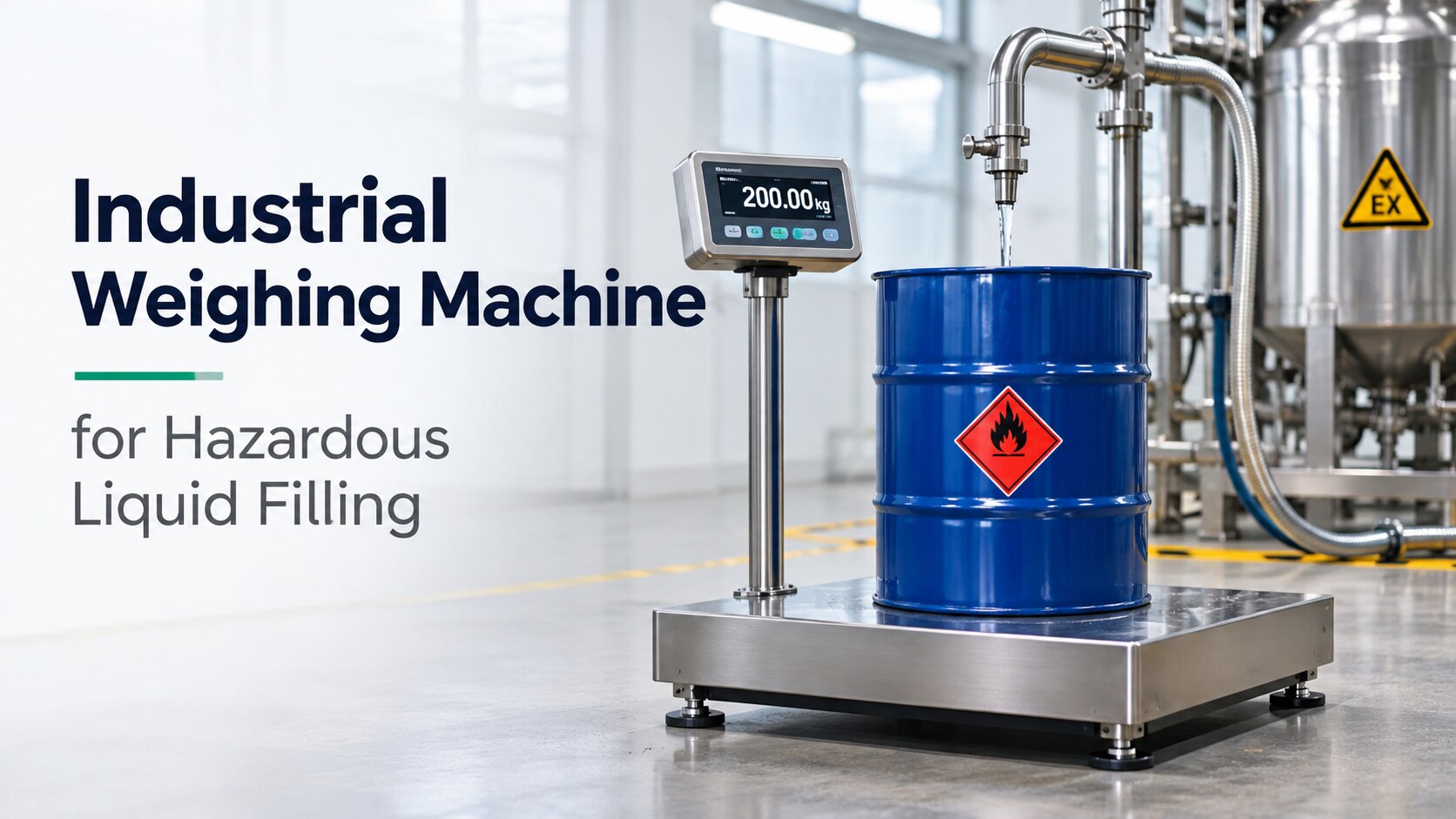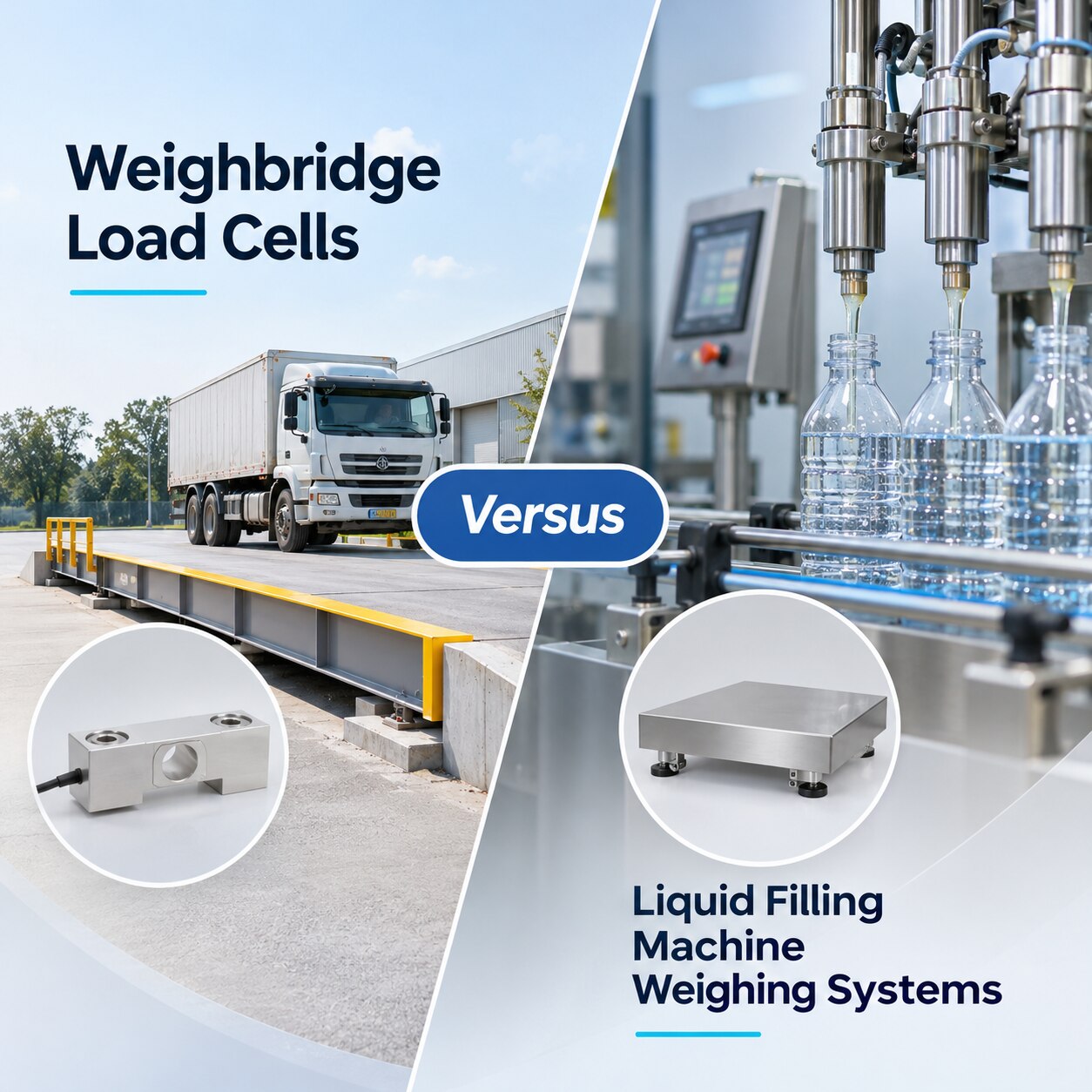

The right pallet scale depends on more than stainless-steel construction: you must match its weighing mode, capacity, resolution, platform geometry, load-cell protection and cleaning regime to the filling process. By the end, you will have a specification checklist for comparing scales and validating one under real operating conditions.
Key takeaways
- Use static weighing to verify liquid added by comparing pre-fill and post-fill weights.
- Size capacity for vessel, liquid, pallet and impact loads—not liquid weight alone.
- Match scale resolution to the fill tolerance and the smallest error you must detect.
- Specify sealed load cells, washdown construction, calibration and site acceptance tests.
Decide How the Scale Will Participate in Filling
Choose static weighing when the palletized vessel is filled by a separate machine and you only need to verify the result. The scale records the vessel’s weight before and after dispensing; the difference is the liquid added.
Use weighing during dispense when the scale must provide feedback to a valve, pump, or PLC and stop the fill at a target.
1. Select static weighing for an SS pallet scale for a liquid filling machine when operators can tolerate a measurement after filling. It suits IBCs, drums, cans, and collection vessels that remain on the platform, but it cannot correct an overfill once the valve has closed.
2. Select intermittent weighing during dispense when the controller needs repeated weight readings while the vessel fills. The filler can reduce flow near the target, then close the valve after the measured net gain reaches the setpoint.
3. Select continuous or dynamic weighing only when the process needs uninterrupted measurement while liquid flows or the vessel moves. Confirm that the scale and controller are rated for the required update rate and settling time; a platform designed for final static checks can respond too slowly for closed-loop control.
4. Specify configurable zero tracking, motion detection, averaging, and fill-control settings. Heavy filtering reduces slosh but delays the stop signal; light filtering responds faster but can cause early stopping, overshoot, or oscillation.
5. Run trial fills at production flow rates and confirm the controller’s stop point against a stable post-fill weight. A successful display during an empty-platform test proves little.
Calculate Capacity and Confirm the Platform Will Fit
Choose rated capacity from the heaviest gross condition, not the liquid alone. Add pallet weight, empty container tare, maximum liquid mass (volume multiplied by density), fixtures, hoses or filling-head loads transferred to the deck, and allowance for placement shocks. Tare reduces usable weighing range, so an oversized capacity can make small fills harder to control.
| Load type | Platform and access check | Mechanical configuration |
|---|---|---|
| Palletised IBC | Measure pallet length, width, overhang and fork-entry direction | Low deck, fork clearance and four-point support |
| Drums or cans | Check the footprint, number of vessels and spacing between them | Deck large enough to keep every load inside the weighing area |
| Collection vessel or custom skid | Include vessel diameter, legs, wheels and hose route | Recessed, ramped or custom frame when legs or casters could contact the deck |
For an industrial pallet scale liquid products application, obtain the platform’s usable dimensions rather than its outside frame dimensions. Confirm deck height, ramp position, wheel clearance and whether forklift tines can reach the pallet without striking the scale.
A tall IBC or partly filled drum can shift sideways even when its mass is within capacity. Ask for allowable side-load, corner-load, shock-load and overload limits, then provide a rigid, level support surface. Specify restraints or guides only if they cannot transfer force into the scale during filling.
For an ss pallet scale for liquid filling machine, confirm whether the frame suits static weighing, intermittent dispensing or continuous movement. A platform that fits the vessel can still fail if hose tension, valve movement or liquid sloshing prevents stable readings.
Match Resolution and Performance to the Fill Target
A 1 g display increment does not prove that a scale can deliver a repeatable 1 g fill. Judge performance at the target weight, under the actual container position, liquid movement and operating temperature.
| Specification | What to verify | Why it matters |
|---|---|---|
| Repeatability | Repeated readings at the target load | Reveals whether identical fills produce stable results |
| Eccentric-load error | Readings with the load placed at different platform positions | Detects errors from off-centre containers, hoses or fixtures |
| Hysteresis | Readings while increasing and decreasing the load | Shows whether the displayed weight depends on load history |
| Zero return | Return to zero after unloading and after filling cycles | Prevents tare drift from becoming a fill error |
| Temperature drift | Change in indication across the plant’s operating temperature range | Stops heat from the product, room or washdown cycle shifting the target |
| Settling time and update rate | Time to stabilise after dispensing stops, plus readings per second | Determines whether the controller can stop accurately before overshoot |
Specify whether the ss pallet scale for filling applications will perform static checks, intermittent weighing during dispensing, or continuous dynamic weighing. A platform that verifies a finished IBC can still be too slow for closed-loop valve control.
Match capacity to the heaviest gross load, including pallet, container, liquid, fixtures, hoses and placement shock. Excess capacity reduces usable resolution after tare. Configure motion detection, zero tracking, averaging and fill-control parameters: heavy filtering suppresses slosh but delays the signal, while light filtering can cause early stops, overshoot or oscillation.
Check Stainless Steel, Sealing and Washdown Construction
A stainless steel pallet scale is suitable for liquid filling only when its materials, seals and cleanability match your chemicals and washdown routine. Stainless steel alone does not prevent corrosion or liquid traps beneath the vessel.
1. Ask for the steel grade and chemical-compatibility statement. AISI 304 suits many general washdown areas; 316 or 316L offers better resistance to chloride exposure. Require written confirmation for your actual detergents, sanitisers, concentrations, temperatures and contact times. Neither grade prevents pitting in stagnant residues or concentrated chemicals.
2. Inspect the complete assembly, not only the deck. Check the underside, welds, load-cell mounts, cable entries, junction box, feet and levelling hardware for crevices, exposed threads and standing-water pockets. Smooth, continuous welds and accessible drainage are stronger evidence than a polished top plate.
3. Confirm the ingress rating separately for each exposed component: load cells, junction box, cable glands, indicator, connectors and remote display. An IP rating describes resistance during defined tests; it does not prove chemical compatibility, hygienic design or safe pressure washing.
4. Get the cleaning procedure in writing. It must state spray pressure, nozzle distance, water temperature, detergent, rinse method and drying or drainage steps. Do not aim high-pressure spray directly at seals, cable glands or load-cell interfaces; thermal shock and trapped product shorten service life.
5. Require a washdown demonstration or site trial. After cleaning, verify zero, repeatability and visible drainage, then record corrosion, water ingress and cable damage during scheduled inspections. That evidence tells you more than the product label “washdown.”
Specify Acceptance Tests, Calibration and Installation Support
Reject the installation until the supplier demonstrates the weighing mode you purchased: static weighing of a palletised vessel, intermittent weighing during dispense, or continuous/dynamic weighing. A platform that passes final checks can still settle too slowly for closed-loop valve or pump control.
1. Run acceptance tests at zero, tare, a representative working load and near maximum gross load. Test each corner with the load off-centre, because poor junction-box summing or corner matching can produce errors that a centred test misses. Agree the permitted error, settling time and repeatability before testing.
2. Require a calibration report for the installed system, not only the indicator. It must identify test loads, readings, location, level, temperature, vibration conditions and load distribution. Use certified test weights; approve calibrated substitution only when full-capacity loading is impractical and metrology rules allow it.
3. If weighing controls a sale, custody transfer or declared quantity, state the legal-metrology jurisdiction and require the correct verification scale interval, permissible error, seals, software configuration and access controls. High displayed resolution does not make an industrial scale legal for trade.
4. Observe installation support during a washdown cycle. The supplier must verify drainage, load-cell and cable protection, zero return after cleaning, alarm outputs and communication with the filling controller.
5. Obtain operating instructions, calibration intervals and fault-response procedures. For an ss pallet scale for filling applications, Optima Weightech Pvt Ltd. can help document these site tests instead of treating installation as equipment delivery. Use the same evidence for an ss pallet scale for liquid filling machine control.
Related product
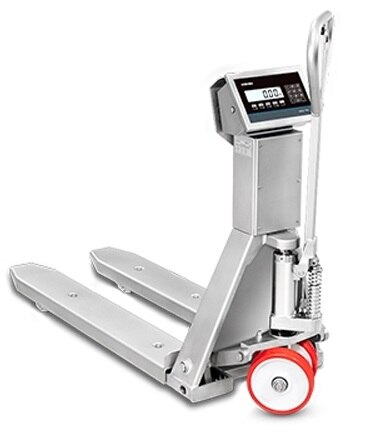 | ₹880000 High-end pallet truck scale designed for food, chemicals and pharmaceuticals industries and for wet working environments where high standards of... View product → |
Frequently asked questions
How does a pallet scale participate in liquid filling?
Use static weighing when a separate filling machine dispenses the liquid. Record the vessel weight before and after filling, then subtract the first reading from the second.
How do you calculate the required pallet scale capacity?
Add the weights of the empty vessel, pallet, maximum liquid charge and any handling or impact loads. Confirm that the complete load fits within the platform dimensions.
How should you choose scale resolution for a filling application?
Choose resolution by comparing the smallest fill error you need to detect with the scale’s displayed increments and repeatability. A high capacity with coarse resolution can hide underfilling.
What construction details matter for a stainless steel pallet scale?
Check the stainless steel grade, load-cell sealing, cable protection, indicator enclosure and washdown design. Match these details to the cleaning chemicals, water exposure and liquid product area.
Keywords